Scaling Prefabricated and Modular Constructions: Lessons from Practice
Date:
September 17, 2026
Location:
Time:
12:00 PM (EST)
.png)
This webinar will explore how prefabricated and modular construction can support housing delivery in Canadian communities.
Expanding on concepts introduced in CIP's course Scaling Prefabricated and Modular Construction, the session will bring together planning practitioners and industry perspectives to examine both the opportunities and challenges associated with factory-built housing. Through a facilitated discussion, speakers will reflect on lessons from practice, explore planning and regulatory considerations, and discuss how planners can help support the successful delivery of prefabricated and modular housing projects.
Participants will be encouraged to consider how innovative construction approaches intersect with planning policy, approvals processes, and cross-sector collaboration. The session is intended to complement the course by connecting foundational concepts with practical experience and real-world examples. The webinar is open to both participants who have completed the course and those with an interest or professional familiarity with housing and innovative construction approaches. Attendees can also engage with speakers and continue the conversation through CIP's National Community of Practice on Housing.
During this webinar, participants will:
- Explore how prefabricated and modular construction is being used to support housing delivery in Canadian communities.
- Examine the planner's role in facilitating prefabricated and modular housing through planning policy, approvals, and collaboration.
- Identify planning, regulatory, and implementation considerations associated with factory-built housing.
- Learn from practitioner experiences and lessons that can help inform future housing projects.
- Discuss opportunities for innovation and collaboration that can support the broader adoption of prefabricated and modular housing.
Speakers:

Mark Holland RPP, FCIP
Mark Holland is a planner and worked half my career in planning and the other half in real estate development. As a professor at Vancouver Island University's planning school, Maek teaches professional practice, including housing policy and finance, development, policy analysis and much more. Mark also created, chairs, teaches in the very successful Urban Development Institute Real Estate Development Managers Certificate program. He has been a city planner in Vancouver, a founder of several successful consulting firms, and a VP of development for development companies.

Paul Binotto, Director - Modular BC
Paul has a history in modular construction and is a strong advocate for the development of the BC Factory modular industry. He is past president and co-founder of My Lane Home Inc., an organization focused on modular infill, multi-generational, and affordable housing.
Paul has worked with various cities and planning professionals across the province to help further develop their infill programs, create industry partnerships, and establish Modular Best Practices. Paul is also an adviser to the Manufacturing Housing Association of British Columbia board of directors and leads the Provincial Modular Advocacy Program. The advocacy team created a Modular Bylaw Guide making modular more inclusive in city planning, and in conjunction with the Building Officials’ Association of BC, developing a Modular Permitting Check List and a Modular Inspector Check list. Paul in his role at Modular BC has initiated a provincial Standardized Modular Program and created a Mayor’s Task Force representing all corners of the province to utilize factory-built modular for fast, affordable, and sustainable housing to address our housing needs in BC.
Moderator:
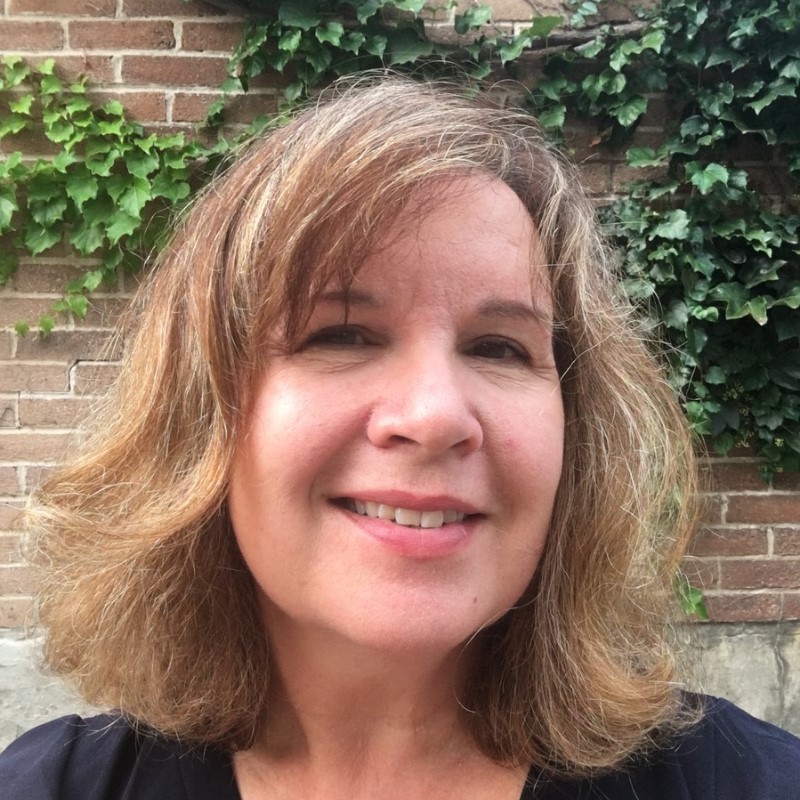
Arlene Etchen, Communications Consultant
Arlene Etchen is a recognized knowledge mobilization and communications professional with 20+ years in housing. She has presented internationally and published on sustainable housing and accessibility, and volunteers with CIP, CIH Canada, and ULI’s Accelerating Accessibility Coalition.